Why does my toilet keep running?
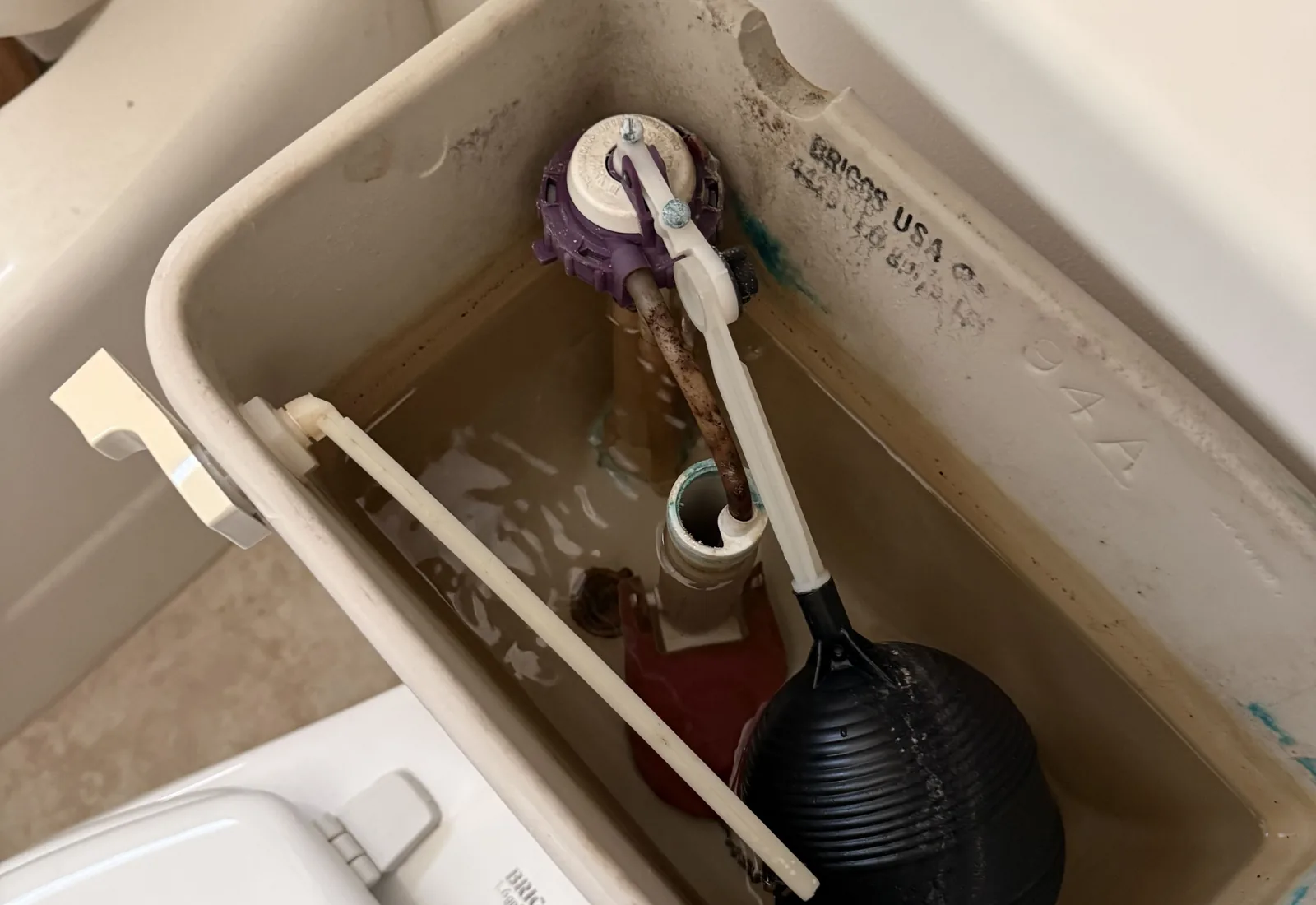
Albuquerque's water utility lists toilets first among the most likely leaks in a home. The usual cause it names is a bad flapper or a bad fill valve. The EPA says most toilet leaks come from old or worn-out flappers.
The utility suggests a dye test to find a quiet leak. Put a few drops of food coloring in the tank and wait without flushing. Color in the bowl means water is leaking from the tank. If the tank still drips or fizzes after it fills, the utility says the fill valve is bad.
Household leaks raise the water bill, sometimes by several hundred dollars a month until fixed, the utility says. We replace the worn flapper, chain, float or fill valve and set the water level so the tank shuts off. Albuquerque's water runs moderately hard to hard, and scale can keep those parts from sealing.
Toilet leaking at the base or rocking on the floor
Water at the base of a toilet often means the wax ring has failed. The wax ring seals the toilet to the closet flange, which anchors it to the floor over the drain. A toilet that rocks breaks that seal a little more with every use.
When the flange itself breaks, a new wax ring will not hold. In one job from our recent work, the old closet flange had rusted apart and the wax ring had failed. The after photo shows a new repair flange bolted to the floor with a fresh wax ring. New closet bolts are set, with a new supply stop on hand.
A leak that ran for a long time can soften the floor under the toilet. We check the floor while the toilet is off and show you what we find. Manufactured and mobile homes can have a different floor and flange, so we look before we pick parts.
Toilet replacement and water-saving toilet installation
Toilets are nearly 30 percent of an average home's indoor water use, the EPA says. Older toilets can use as much as 6 gallons per flush. Newer designs can use 1.28 gallons per flush or less. That is 20 percent less than the current federal standard of 1.6 gallons.
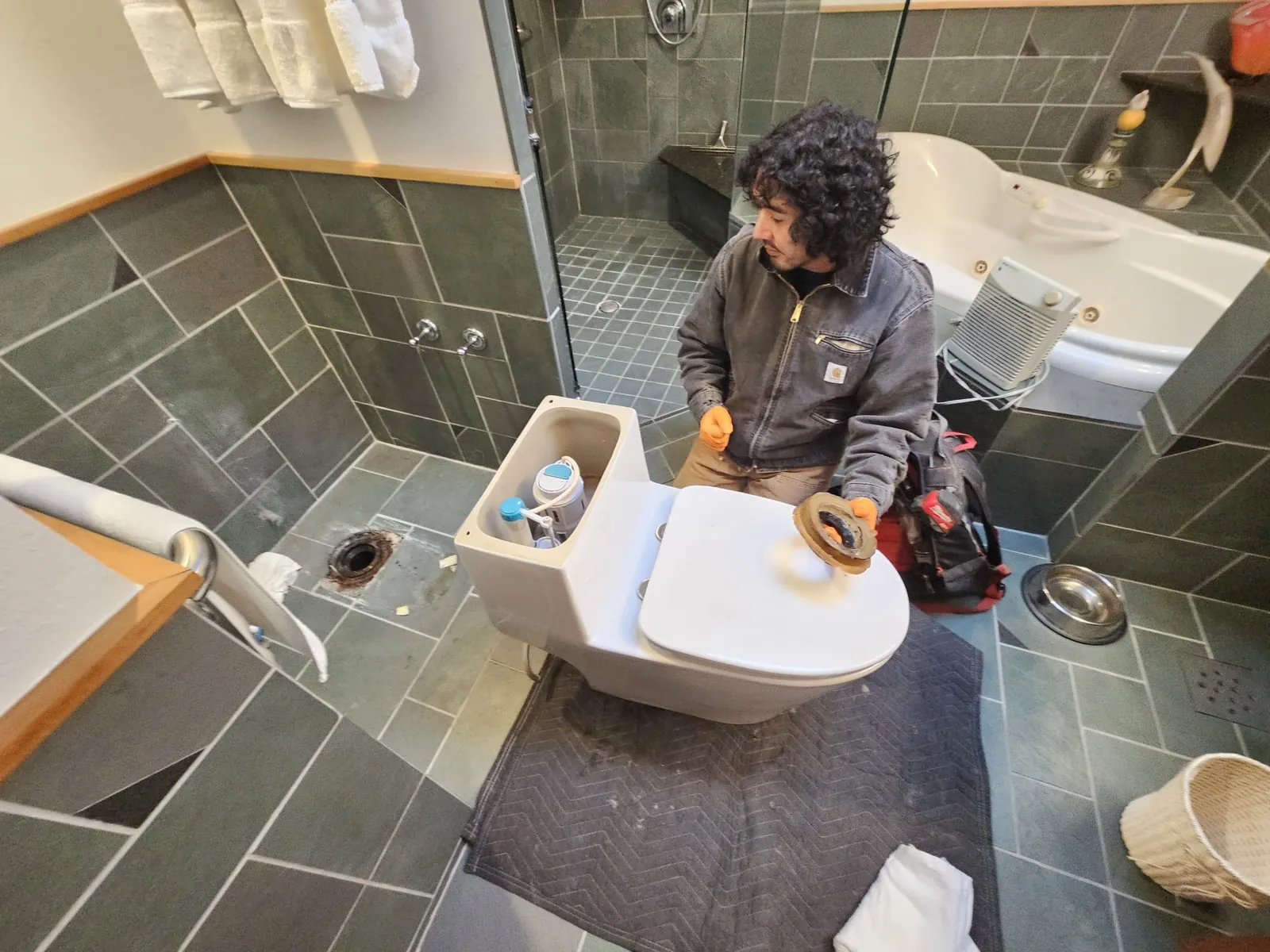
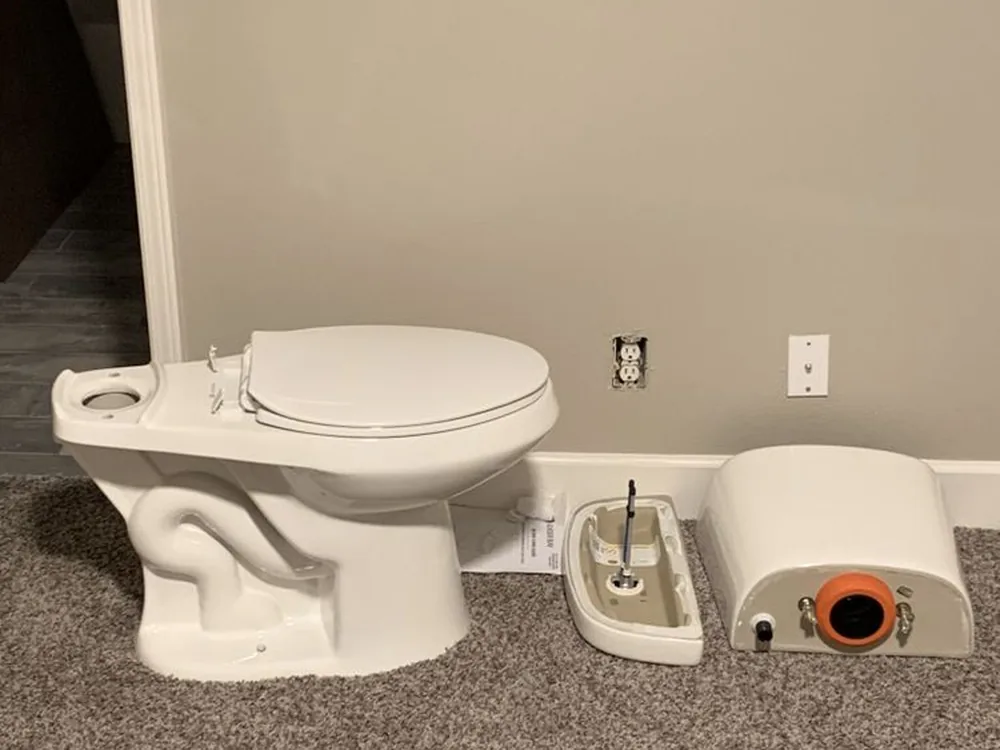
First we measure the rough-in, from the wall to the center of the drain, so the new toilet fits. We pull the old toilet and check the flange and floor. The new toilet goes down level on a fresh wax ring and new closet bolts. Then we connect the supply and watch the base for leaks as it flushes.
Septic is common in the East Mountains, Corrales and Placitas. On septic, every flush goes to the tank and drainfield, so a lower-flow toilet puts less water into the system. In an East Mountains winter, a full toilet in an unheated casita or vacant rental can freeze and crack.

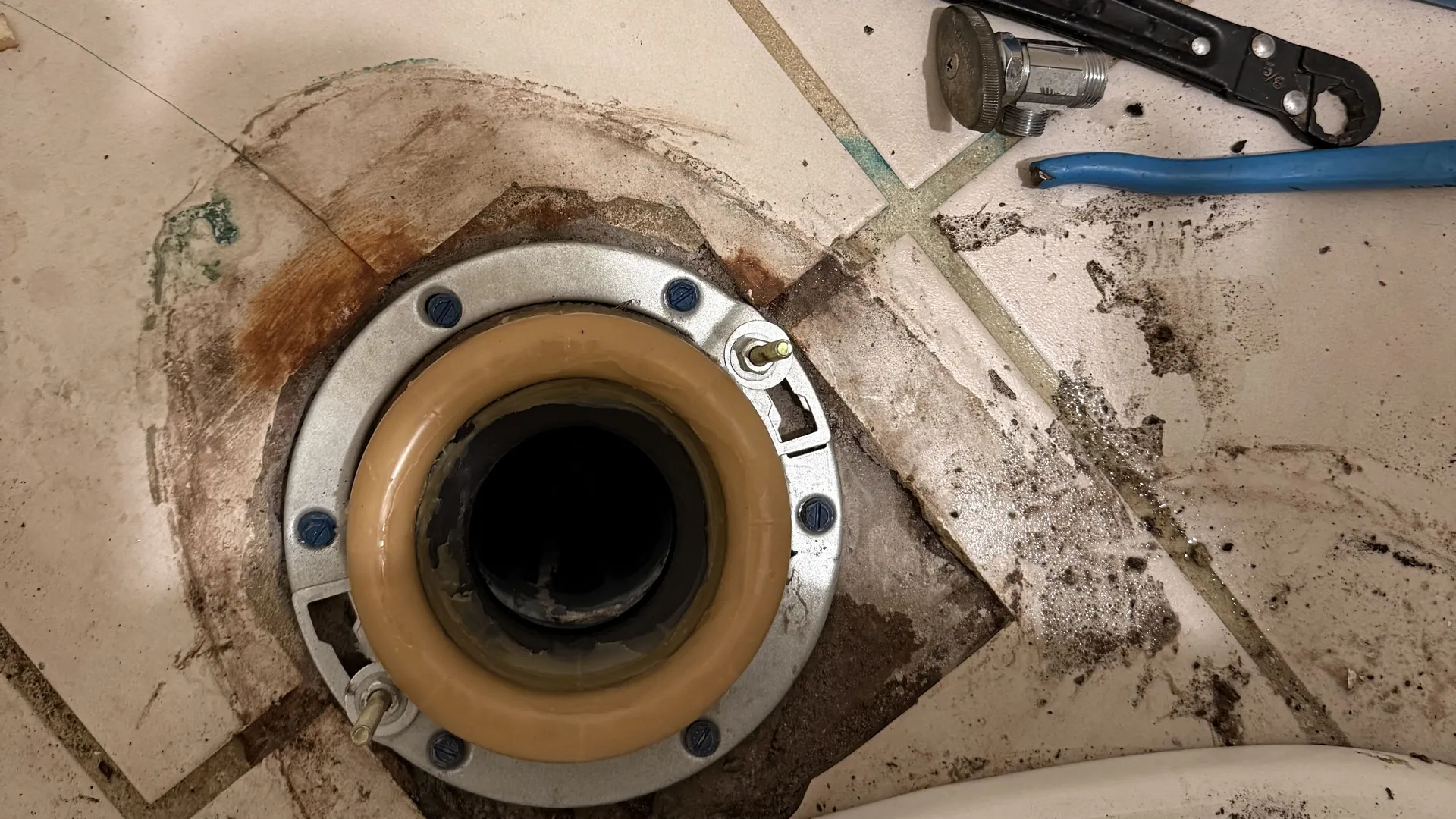
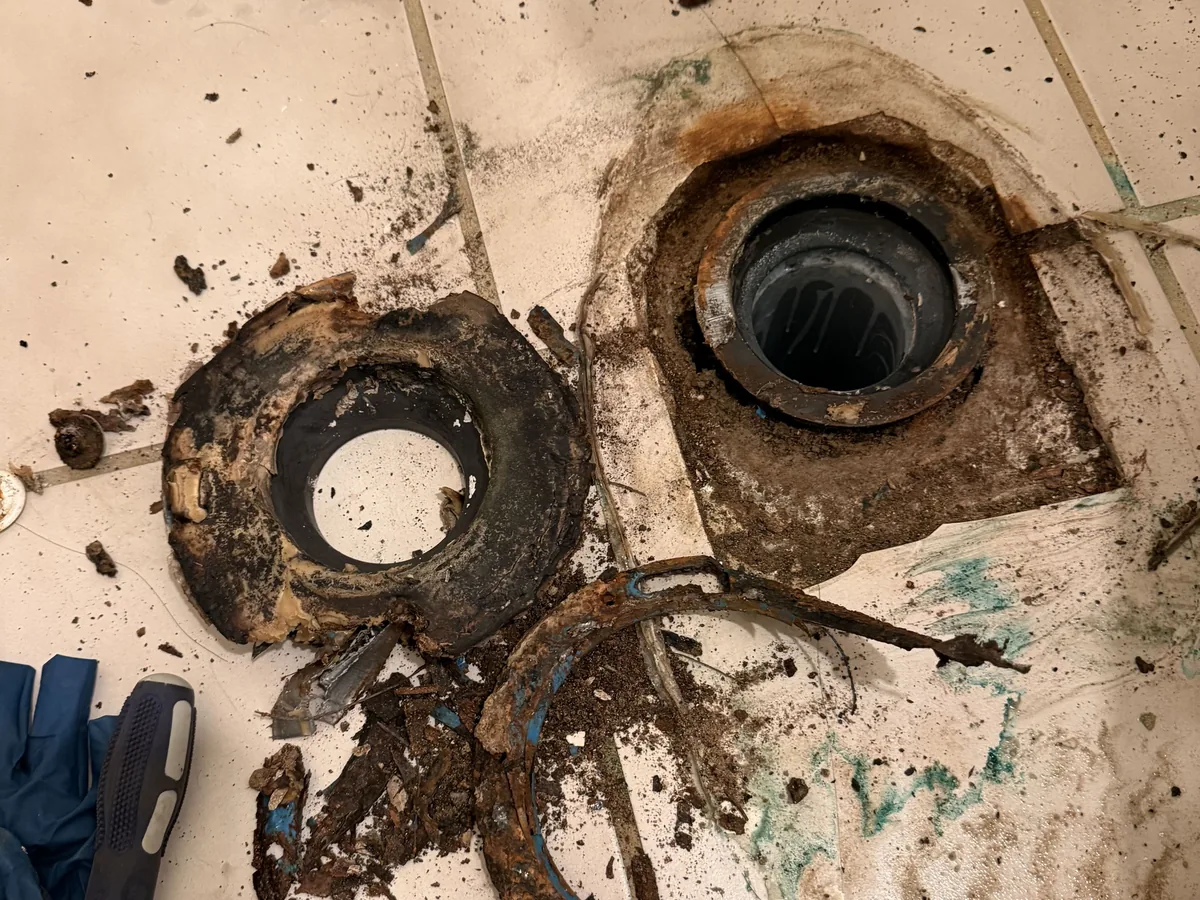 Before
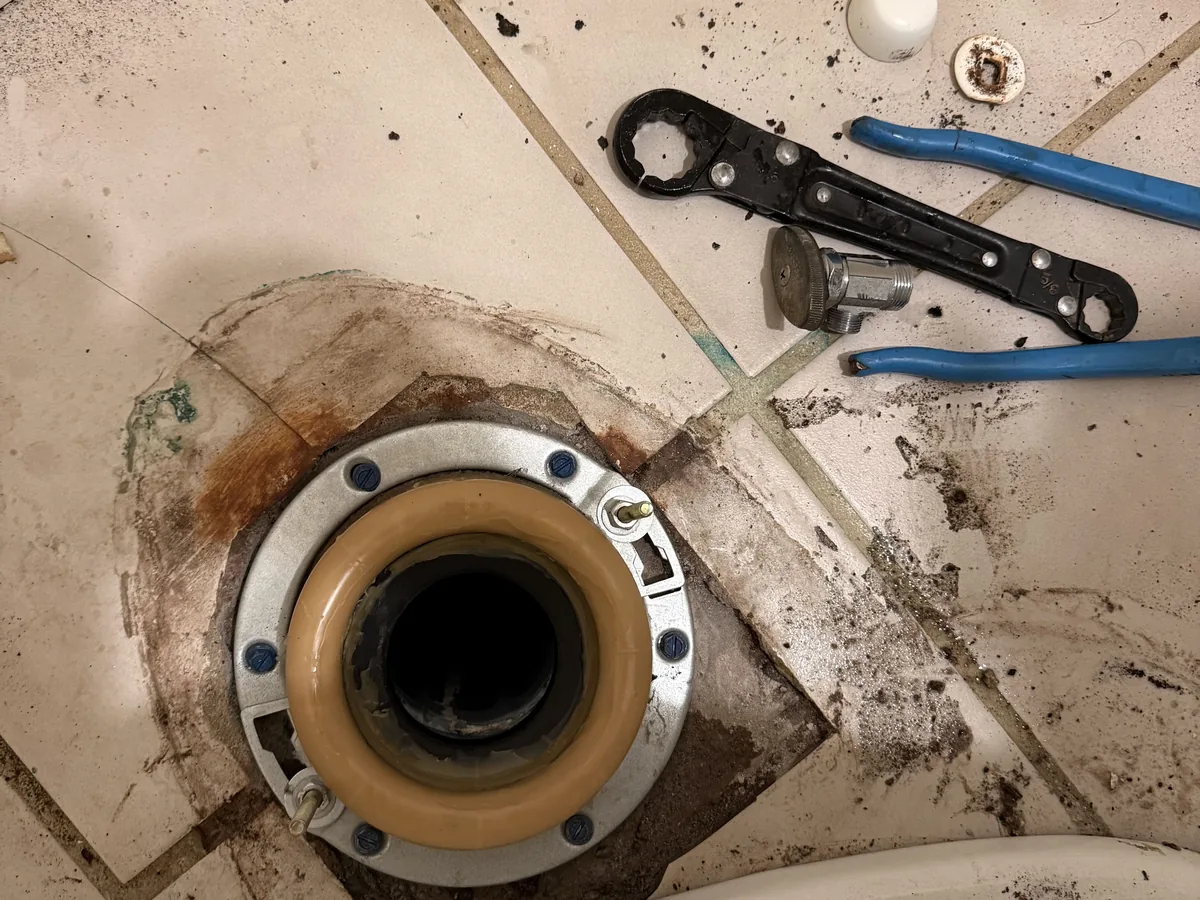 After